Richard Corrigan Explains Why Michelin Tasting Menus Have Lost the Plot
Richard Corrigan critiques the current state of Michelin tasting menus, arguing they have become overly complex and disconnected from diners' desires. He advocates for a return to honest cooking and a focus on quality ingredients.
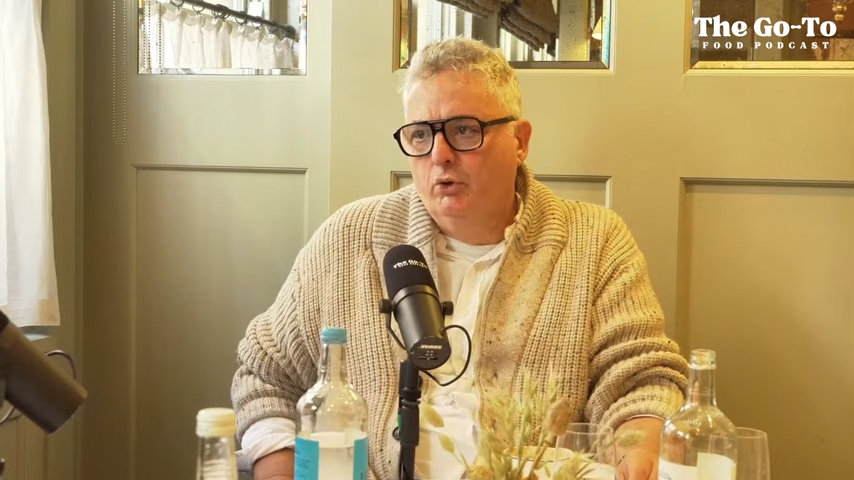
Irish chef Richard Corrigan has never been one to mince his words. Born into a farming family in County Meath, he grew up with a deep respect for the land, the rivers and fresh ingredients. Leaving school at fourteen to work in a hotel kitchen, he quickly discovered a fierce passion for the culinary world. His career took him to Amsterdam where he first experienced fine dining, before he ultimately made his spectacular mark in London. Corrigan earned Michelin stars for his exceptional work at Fulham Road in nineteen ninety four and Lindsay House in nineteen ninety seven. Today, he oversees a prestigious group of venues including Bentleys Oyster Bar and Grill, Corrigans Mayfair, Daffodil Mulligan and the beautiful Virginia Park Lodge estate in Ireland. Throughout his impressive thirty year career, he has remained a staunch advocate for honest cooking, shunning fleeting culinary fads in favour of wild game, fresh seafood and seasonal British and Irish produce.
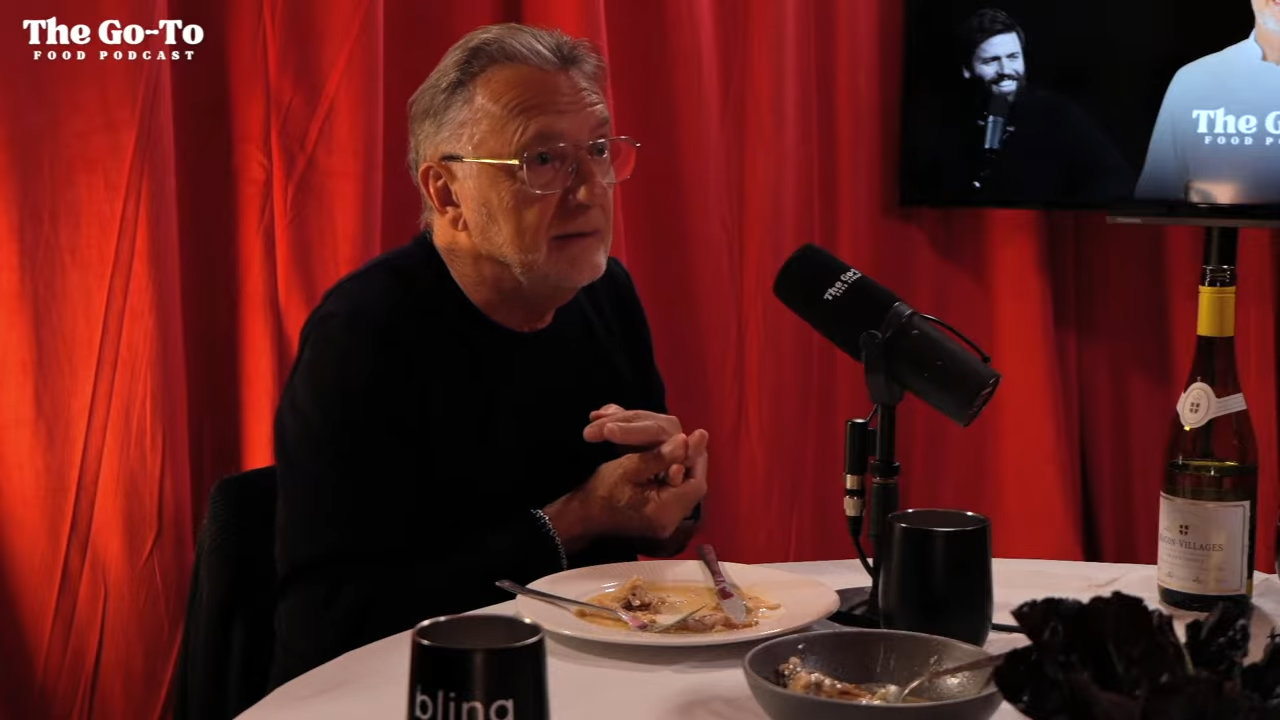
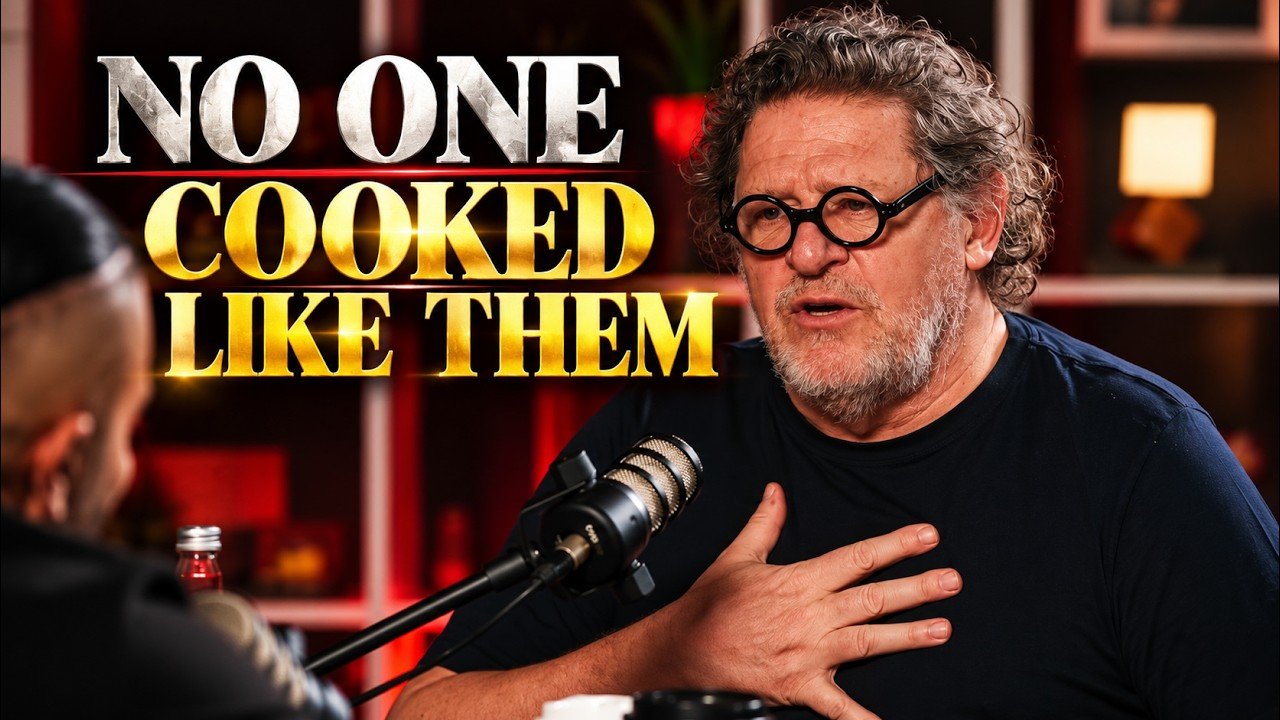
This straight talking approach is on full display in an incredibly entertaining recent YouTube interview. Titled "Richard Corrigan: Why Michelin Tasting Menus Have Completely Lost the Plot", the video captures the acclaimed chef tearing into the current state of modern fine dining. He argues that prolonged tasting menus have become incredibly boring and totally disconnected from what diners actually want to experience. According to Corrigan, when one course constantly disappears into the next, the entire meal becomes a confusing blur. He notes that guests often wake up the next day completely unable to remember what they actually ate because the sheer volume of tiny, intricate dishes creates a frustrating sense of nothingness.

He does not hold back when placing the blame for this trend. Corrigan points the finger directly at chefs with massive egos who have lost all control in the kitchen, joking that they behave like Roman emperors while Rome burns around them. He strongly believes that a great restaurant needs a conductor, like a skilled front of house manager, to clearly recognise when customers have simply had enough. Instead, modern diners are frequently presented with food served in a "scandi bowl" featuring obscure herbs or a rare piece of cabbage supposedly found beneath a distant cliff. He questions the entire point of this theatrical plating, comparing the current obsession with finding unusual ingredients to the worst pretentious days of Nouvelle Cuisine where chefs just wanted to sound different on the menu.
A book to explore

For Corrigan, the future of food must be a return to traditional craft and incredible produce. He praises the growing global awareness of soil health, organic farming and natural ingredients. He fondly reminisces about pioneering chefs like Alastair Little and Stephen Bull who brought honesty back to British cooking after the overly fussy and mad trends of the nineteen seventies. Corrigan believes the real show off element in a restaurant should be the natural environment and the quality of the company you keep, rather than a chef attempting to look knowledgeable with a piece of seaweed. He champions a culinary lifestyle that feels completely at one with the countryside, favouring wild shoots where you only take a small sustainable amount for the dinner table.
Perhaps the most entertaining moment of the entire video comes when the topic shifts to modern culinary fads and casual dining. Corrigan is reminded of his legendary quote regarding pizza. He famously stated that pizza is absolutely not dinner, it is just bread. When pressed on this specific topic, he doubles down brilliantly. He argues that elevating a standard pizza to a main course is pure fakery, humorously comparing it to serving a plain sliced pan loaf of bread and calling it a complete restaurant meal.
Ultimately, Richard Corrigan wants an absolute end to the culinary madness. He wants young chefs to stop putting decorative flowers on everything and return to cooking sublime, simple food. His powerful message is a refreshing reminder that true culinary brilliance lies in treating great ingredients with total respect, rather than getting lost in endless courses of pretentious nonsense.
Related posts