Maldon: A Pinch of Salt: How Chefs' Favourite Seasoning Relies on Imported German Rock Salt
Maldon Sea Salt Flakes, a favourite among chefs, are revealed to contain imported German rock salt, raising questions about transparency in artisan food labelling.
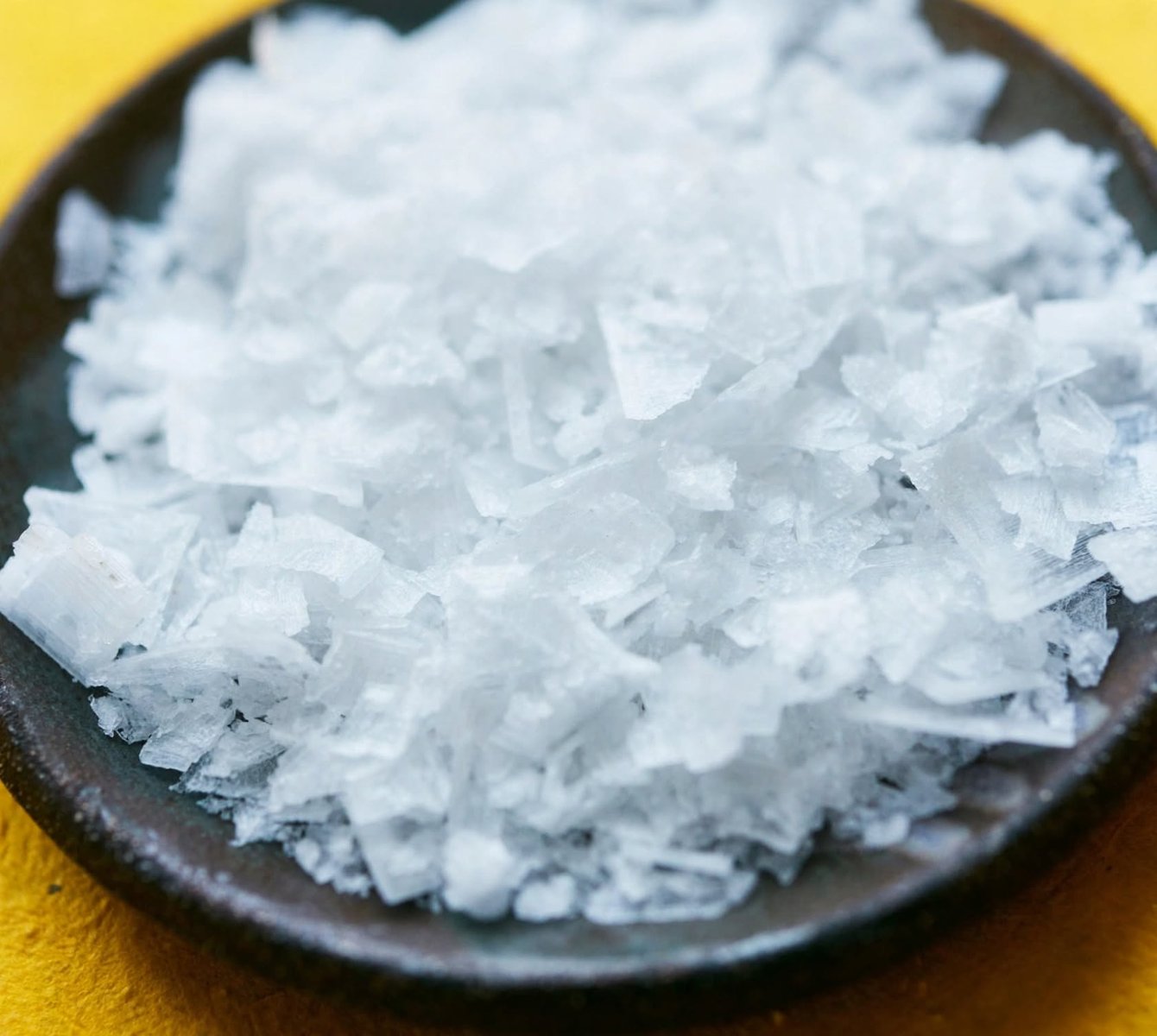
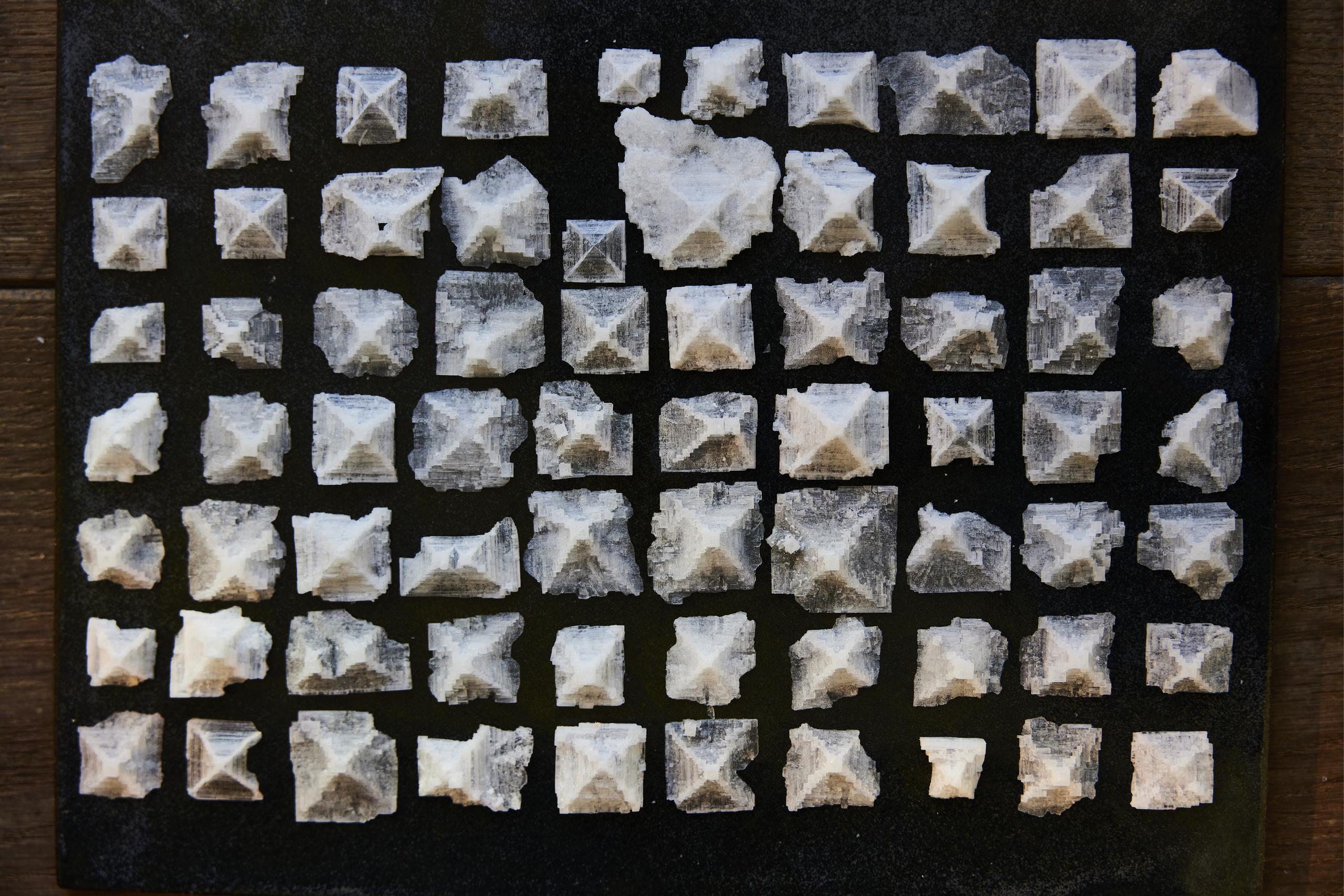
For decades, a box of Maldon Sea Salt Flakes has been the undisputed finishing touch in professional restaurant kitchens and home pantries alike. Championed by culinary icons including Delia Smith and Jamie Oliver, the Essex brand built a £40m global empire on a romantic story of artisan craft, depicting salt makers harvesting delicate white pyramid crystals purely from the tidal waters of the River Blackwater.
However, recent scrutiny of the production process at the firm's Goldhanger plant near Maldon has revealed a surprising twist behind those famous flakes. While packets are marketed as 100% sea salt flakes, bulk deliveries of mined rock salt from Germany are routinely dissolved into the Essex seawater during manufacture.
The Salt on Salt Method
At the heart of the revelation is a historic technique known in the trade as the salt on salt method. Rather than evaporating pure estuarine water on its own, producers add mined rock salt to boost the salinity of the brine. This enriched solution requires significantly less energy to evaporate, allowing crystals to form faster and increasing overall production yields.
Until recently, Maldon Salt sourced this rock salt from mines in Cheshire before switching to K+S, a major German mining supplier. Observation of the Longwick Farm site in Essex recorded lorries delivering around 50 tonnes of German rock salt each week in one tonne bags, which are emptied directly into steel hoppers containing seawater from the Blackwater estuary.
Once rock salt dissolves into seawater, the two become chemically identical sodium chloride and cannot be separated. Consequently, the finished flakes harvested from the boiling pans contain a blend of Essex estuary water and imported mined salt.
Why Celebrity Chefs Love Maldon
Despite the debate over provenance, the physical structure of the finished product remains the reason chefs reach for the familiar green and white box. Unlike dense table salt or coarse rock salt, Maldon crystals form hollow, fragile pyramids.
These delicate flakes crush effortlessly between the fingers, giving cooks tactile control over seasoning. On the plate, the large surface area dissolves rapidly on the palate, delivering a clean, bright burst of salinity without the harsh metallic bite often associated with standard iodised table salt. For finishing a seared steak, scattering over focaccia, or balancing rich caramel desserts, the texture remains a kitchen staple.
Labelling Rules and Industry Reaction
A book to explore

Salt, Fat, Acid, Heat: Mastering the Elements of Good Cooking
By Samin Nosrat, Wendy MacNaughton, & 1 more
£33.67
View book at Bookshop.orgThe disclosure has sparked debate around transparency in artisan food labelling. At £2.85 for a 250g box, Maldon commands a significant premium over standard rock salt. While Canadian packets were quietly updated to remove the word sea from the title to comply with strict local rules against calling mined salt sea salt, UK regulations are far looser.
Both the Food Standards Agency and Essex trading standards have inspected the Longwick Farm facility and confirmed that Maldon Salt complies fully with British law. Because UK legislation has no strict legal definition separating mined rock salt from evaporated sea salt, regulators ruled no action was required.
Following media enquiries, Maldon Salt updated its website for the first time to acknowledge the salt on salt process, describing the added rock salt as natural ancient sea salt formed from prehistoric oceans. While British artisan rivals such as Halen Môn on Anglesey and Cornish Sea Salt maintain they evaporate purely local seawater without adding mined salt, Maldon insists its 144 year old craft remains transparent, lawful, and true to its heritage.
How British Artisan Sea Salts Compare
For home cooks and chefs weighing up provenance alongside texture, Britain has several notable sea salt producers using distinct harvesting methods.
| Brand | Water Source | Production Method | Typical Retail Price |
| Maldon Sea Salt | River Blackwater estuary, Essex | Salt on salt brine enrichment with imported rock salt, boiled in open pans | £2.85 per 250g (£11.40 per kg) |
| Halen Môn | Menai Strait, Anglesey | Pure filtered seawater evaporated without added rock salt | £4.50 per 100g (£45.00 per kg) |
| Cornish Sea Salt | Lizard Peninsula, Cornwall | Pure Atlantic seawater harvested and evaporated without added rock salt | £2.60 per 225g (£11.55 per kg) |
Chef Tips: When to Use Flake Salt Versus Cooking Salt
Understanding how different salts behave in the kitchen ensures you get the best value from premium flakes while saving money during prep.
Save pyramid flakes for finishing: Delicate crystals lose their signature crunch as soon as they dissolve in boiling water or hot sauces. Scatter them over grilled meats, roasted vegetables, sliced tomatoes, or chocolate brownies right before serving.
Use fine sea salt for boiling and baking: When salting pasta water, seasoning soups, or measuring ingredients for bread dough, standard fine sea salt dissolves evenly and costs a fraction of the price.
Crush between your fingers: Rub pyramid flakes gently between your thumb and forefinger as you season from a height. This breaks larger crystals into smaller shards for even coverage across the plate.
Related posts