Cooking Without Wine or Brandy: Classic Dishes, Alcohol Free
Discover how to create classic dishes without wine or brandy by using effective substitutes that maintain the depth and flavour of your meals.
You open a recipe for coq au vin and the first line asks for half a bottle of red. You do not want alcohol in the dish, or you simply have no bottle open. Leaving the wine out is not the answer. Wine does a job in the pan, and you need to replace that job.
What wine and brandy actually do
Wine brings acidity, a little sweetness, depth and a touch of bitterness from tannin. Brandy adds a warm, fruity sweetness. Replace those qualities and the dish holds together. Water or plain stock on its own leaves a sauce flat.
One practical point: simmering does not remove all the alcohol from a dish. If you avoid alcohol completely, swap it out rather than relying on the cooking time.
Wine is a liquid flavouring
The video below makes a useful point: in most cooking, wine works as a liquid flavouring rather than a structural ingredient. That means you can rebuild it by balancing five tastes: sweet, sour, salty, bitter and umami. Its worked example is Chardonnay, which is mostly sour, with some sweetness, a little bitterness, very little salt and no umami.
Three easy homemade wine substitutes
Food Chain TV uses that flavour profile idea to build three substitutes from store cupboard ingredients.
- Substitute 1, the basic pantry version: water with white vinegar for sourness, sugar for sweetness, a small pinch of salt and a tiny amount of instant coffee for a hint of bitterness.
- Substitute 2, the more complex version: water with white wine vinegar for sourness, honey for sweetness and depth, soy sauce for saltiness, and Worcestershire sauce for bitterness and a fermented, savoury note.
- Substitute 3, the sugar free version: water with fresh lime juice for acidity, erythritol or monk fruit sweetener in place of sugar, a pinch of salt and instant coffee for bitterness.
Exact amounts and method are in the video: substitute 1 starts at 4:00, substitute 2 at 6:44 and substitute 3 at 9:45. Taste and adjust as you go, because every pan and every stock is different.
Because the video models a white wine, these substitutes suit white wine cooking best. For red wine dishes, substitute 2 has the most depth, and an alcohol free red wine is worth considering too. If you are cooking for vegetarians, check the label on your Worcestershire sauce, as the usual versions contain anchovies.
Dish by dish
Coq au vin and boeuf bourguignon. Try substitute 2 or an alcohol free red wine. Brown the meat well, use a good stock, and add tomato purée for depth.
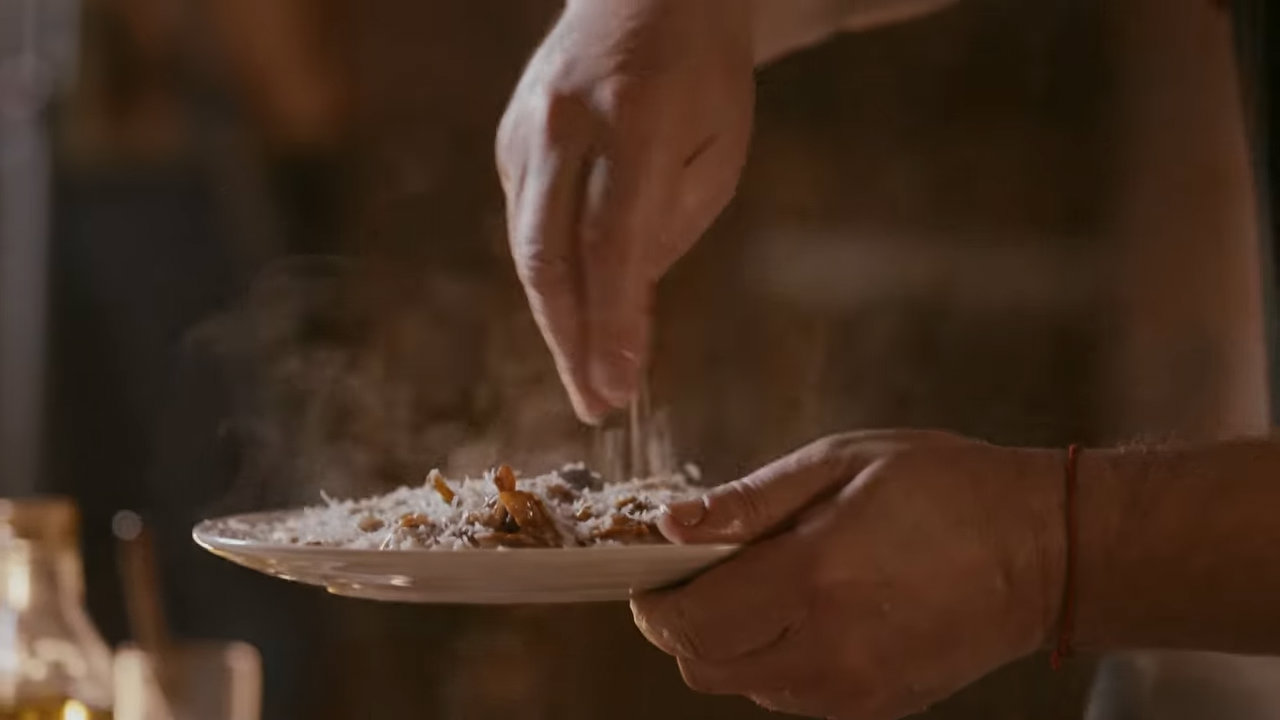
Risotto. Replace the white wine with stock and a squeeze of lemon, or use one of the video's substitutes. Add it to the toasted rice as you normally would and let it reduce before the stock goes in.
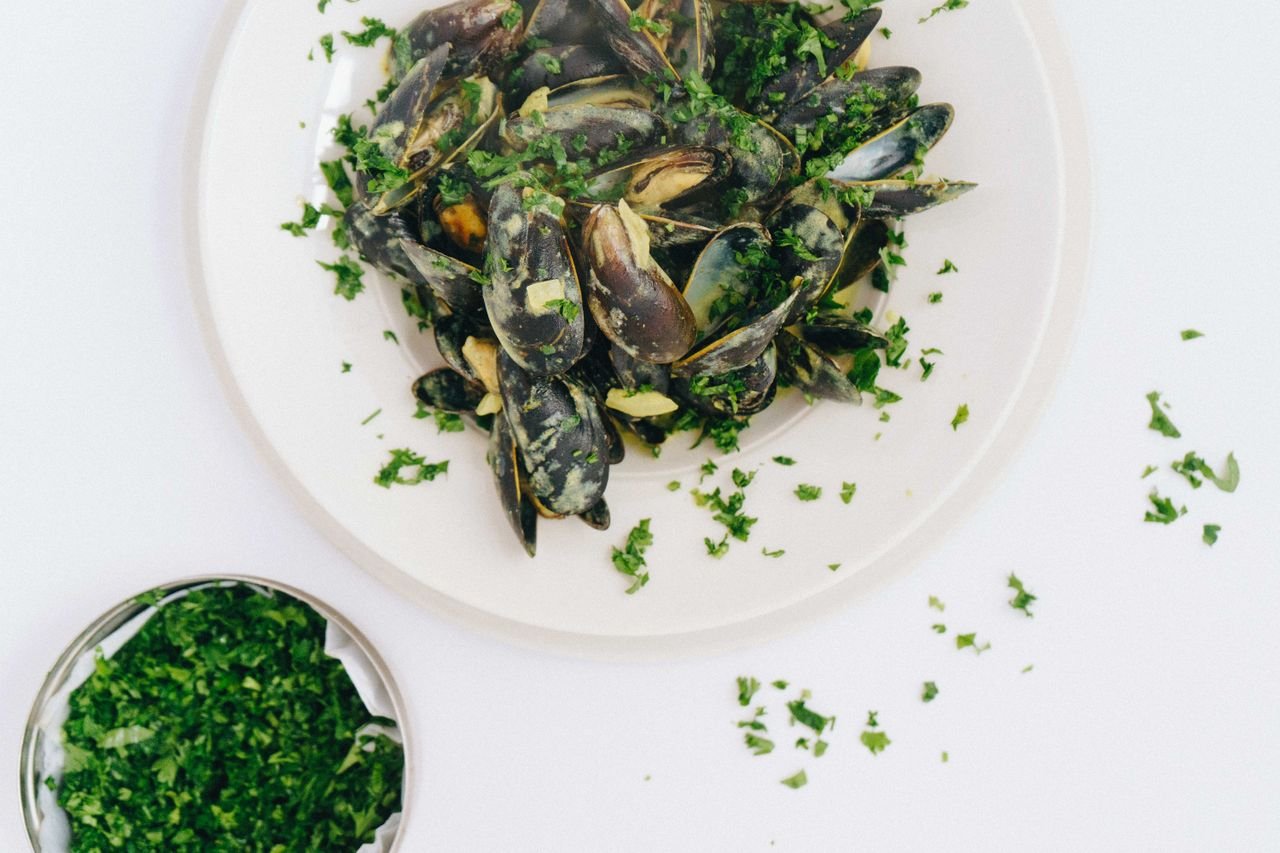
Moules marinière. The steaming liquid is the sauce, so make it count. Use stock with lemon juice, plus shallots, garlic, parsley and a little cream.
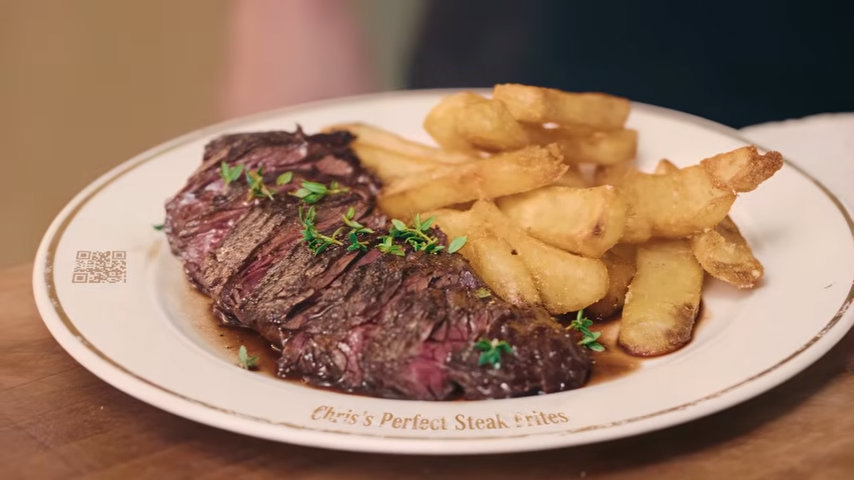
Steak Diane. Skip the flame. Deglaze the pan with beef stock, then add a splash of apple juice, a little Dijon mustard, Worcestershire sauce and cream.
A book to explore

Christmas Without the Brandy
Christmas is where the brandy bottle does the most work, from the pudding to the pastry. These swaps keep the flavours people expect. One tip first: check the labels on shop bought mincemeat, essences and sauces, because some contain spirits.
Christmas pudding. Soak the dried fruit in orange juice, apple juice or strong cold tea instead of brandy. Alcohol helps a pudding keep, so make an alcohol free one closer to the day and store it in the fridge or freezer rather than a cupboard.
Mince pies. Many mincemeats include brandy or another spirit, though some jars do not, so check the label. If you make your own, soak the fruit in apple or orange juice and add plenty of orange zest.
Brandy butter. Beat softened butter with icing sugar until pale, then flavour it with vanilla, orange zest and a little orange juice. Beat the juice in a little at a time so the butter does not split. It is not identical, but it still melts nicely over hot pudding or a warm mince pie.
Brandy sauce. Make a thin custard or white sauce and flavour it with vanilla and orange zest instead of brandy.
Christmas cake. The traditional method feeds the cake with brandy for weeks, which will not work without alcohol. Bake an alcohol free fruit cake closer to Christmas, wrap it well, and freeze it if you are making it ahead.
Sherry trifle. Soak the sponge in orange juice or apple juice instead of sherry, then add the fruit, custard and cream as usual.
Turkey gravy. If your recipe calls for wine or port, use stock with a splash of vinegar, or one of the video's substitutes. Taste for sharpness before you serve.
Cranberry sauce and red cabbage. Swap the port in cranberry sauce for orange juice. Braise red cabbage with apple juice and a splash of cider vinegar instead of red wine.
Mulled wine. Gently heat red grape juice or cranberry juice with cloves, cinnamon, star anise and orange slices. Keep it below a boil so the spices stay fragrant.
Something to drink with it
If you want something to pour alongside the meal or around the fire, browse our non alcoholic drinks and mixers.
Quick questions
Can I just use grape juice instead of red wine? Not on its own. It is too sweet and has no acidity, so add a splash of vinegar.
Can I use stock only? You can, but add something sharp, such as vinegar or lemon juice, or the sauce will taste dull.
Related posts