Celebrity Chefs Rally To Save Veeraswamy As UK's Oldest Indian Restaurant Faces Closure
Celebrity chefs and the public unite to save Veeraswamy, the UK's oldest Indian restaurant, facing closure due to lease issues. This iconic venue has shaped British dining since 1926, attracting notable figures and pioneering Indian cuisine.
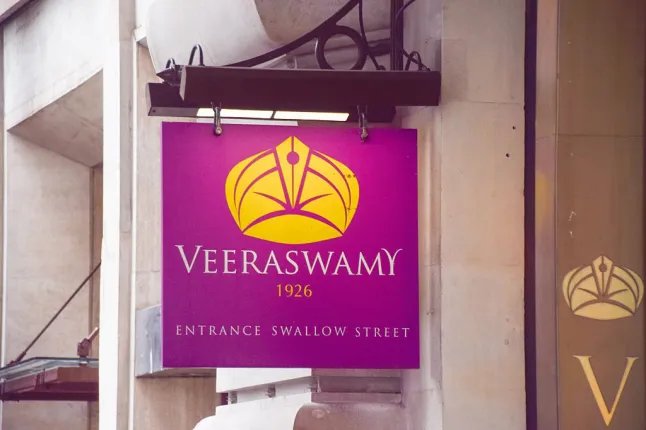
The culinary world has rallied around Veeraswamy, the oldest Indian restaurant in the United Kingdom, as staff and legendary chefs make an urgent appeal to save the iconic London venue from closure. Operating off Regent Street since 1926, the Michelin starred institution faces an uncertain future after its landlord, the Crown Estate, refused to renew the lease due to planned redevelopment work at Victory House.
Founded by retired Anglo Indian army officer Edward Palmer a century ago, Veeraswamy holds a legendary position in British dining history. Over its hundred year run, the establishment has welcomed figures such as Winston Churchill, Charlie Chaplin, and Marlon Brando, while also supplying catering for royal events at Buckingham Palace.
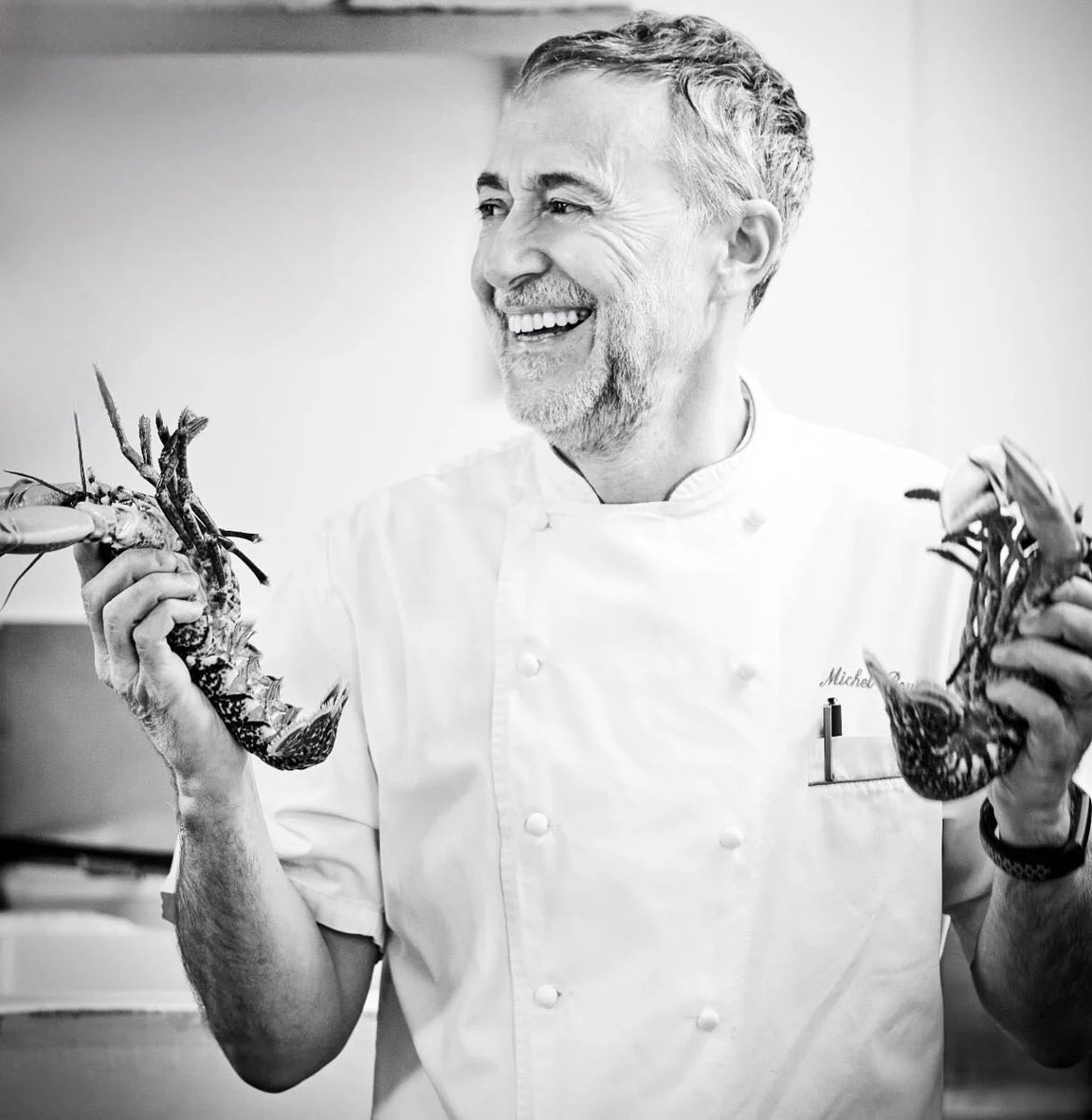
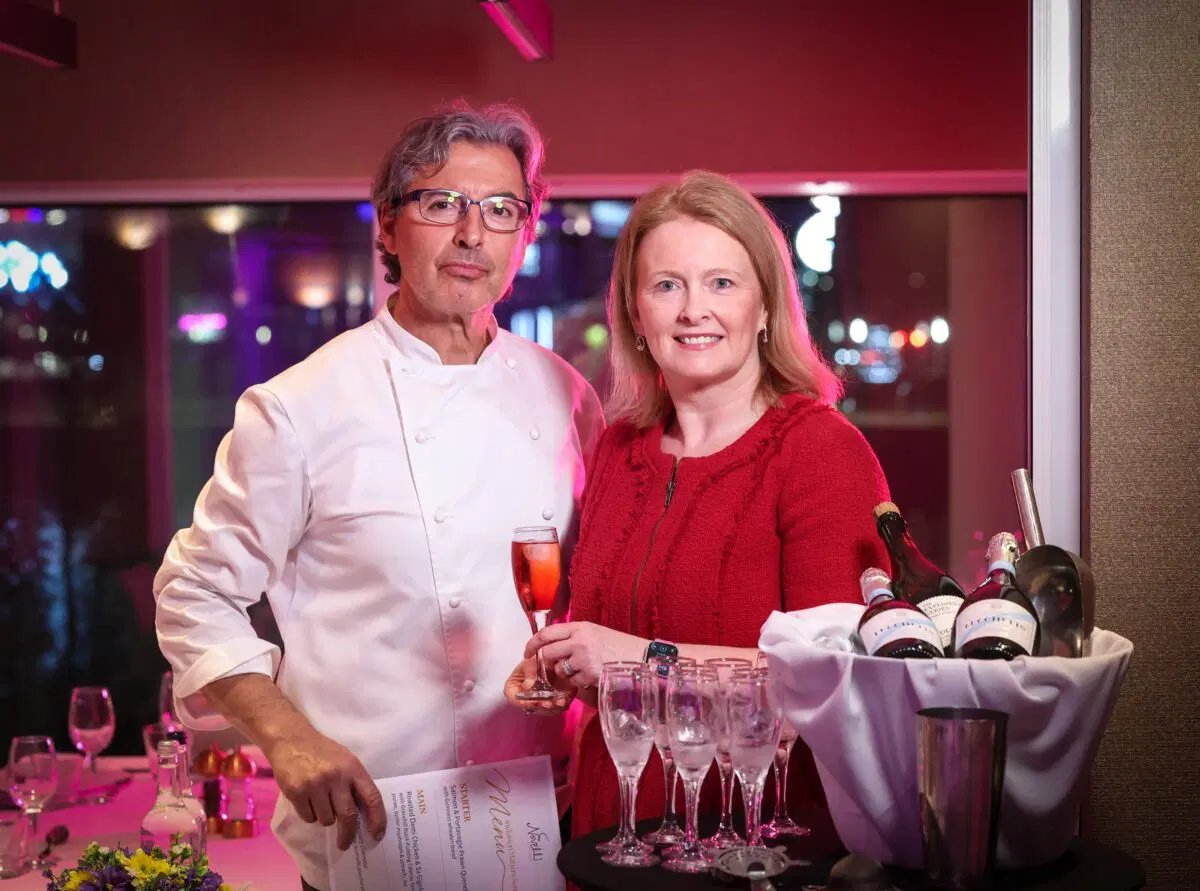
News of the impending shutdown has sparked widespread outrage across the hospitality industry. A public petition calling to save the venue has garnered more than 20,000 signatures, alongside an open letter published in The Times signed by culinary heavyweights including Raymond Blanc, Michel Roux Jr, Richard Corrigan, Phil Howard, Michael Caines, and Cyrus Todiwala. Campaigners argue that losing such a historic dining room would erase a vital chapter of London food culture.
How Veeraswamy Shaped British Dining Culture
The outcry stems from the immense impact the venue has had on British food culture and generations of chefs. Opening in an era when subcontinental cuisine was unfamiliar to most of the public, Veeraswamy introduced authentic Indian cooking to the capital. In the 1950s under owner Sir William Steward, it became the very first restaurant in London to install a tandoor oven, effectively pioneering clay oven cooking in Britain and laying the groundwork for the modern British Indian restaurant scene. Over the decades, it evolved from early classic dishes like korma and vindaloo to elevated regional specialities, sourcing spices directly from India. That commitment to craftsmanship culminated in a Michelin star in 2016, proving that traditional regional Indian food belongs alongside the finest European fine dining rooms.
Famous Signature Dishes That Defined A Century
Throughout its hundred year history, Veeraswamy has created and refined dishes that transformed public perceptions of Indian fine dining. Unlike standard curry house fare, the kitchen focuses on rich regional recipes crafted with exceptional precision and authentic spices.
Among its most famous creations is the iconic Duck Vindaloo. Far from the searing heat associated with standard high street curries, the Veeraswamy version honors authentic Goan heritage. It combines tender slow roasted duck breast with a complex, tangy sauce flavored with palm vinegar, red chillies, and aromatic spices, creating a refined balance of warmth and acidity.
Another standout menu highlight is the Raj Kachori, a spectacular street food dish elevated to fine dining standards. A large, crisp hollow wheat sphere is filled with spiced lentils, diced potatoes, and chickpeas, then drizzled with cool sweetened yoghurt, tangy tamarind, and fresh mint chutney, topped with pomegranate seeds. It offers a dramatic interplay of textures and sweet, sour, and savory flavors.
A book to explore

The Rise of Indian Food: Recipes Reimagined by Tresind Studio
By Himanshu Saini
£42.70
View book at Bookshop.orgThe kitchen is also celebrated for its traditional clay oven preparations, preserving the heritage established when it introduced London to tandoori cooking in the 1950s. Signature items like Tandoori Wild Sea Prawns marinated in Kashmiri chilli and mustard oil, alongside slow cooked lamb Raan, remain benchmark dishes for aspiring chefs across the country.
Leading Chefs Voice Their Support
Top chefs have been vocal about the venue significance to British gastronomy and culinary heritage:
* Raymond Blanc highlighted the irreplaceable history of the dining room, stating, "We must save Veeraswamy. You cannot eradicate 100 years of history for ten square metres."
* Richard Corrigan criticized the commercial push to turn the historic location into corporate workplace units, asking, "Most European cities cherish their legendary restaurants. Why in the name of God would we want to lose Veeraswamy."
Legal Battle and Crown Estate Response
Parent company MW Eat, headed by owner Ranjit Mathrani, has launched legal proceedings under the Landlord and Tenant Act to contest the eviction. Legal counsel Guy Fetherstonhaugh KC argued in court that the business is being unfairly treated and risked being cast into the dustbin of history simply to clear space for corporate offices. Mathrani has also written directly to King Charles to request royal intervention, though Buckingham Palace confirmed that decisions rest strictly with Crown Estate officials.
In response, the Crown Estate maintains that the decision is driven purely by essential structural work. Officials stated that Victory House requires a comprehensive overhaul to bring the building up to modern standards and full use. A spokesperson refuted any suggestion of culinary bias, highlighting that alternative West End locations and financial compensation packages have been offered to help relocate the restaurant.
For the team working inside, relocation cannot replace the historic atmosphere of Swallow Street. Long serving staff members, including front of house greeter Martin who has welcomed guests for nine years, described the prospect of closure as heartbreaking. Loyal diners arriving for lunch echoed those feelings, praising the restaurant for maintaining authentic food and exceptional service for generations without resorting to modern gimmicks.
As the court battle continues, the fate of Veeraswamy remains balanced on a knife edge, serving as a stark reminder of the commercial pressures facing heritage dining spots in the heart of London.
Related posts